What Seed Looks Like Now: Notes from Carta’s “State of Seed”
DURHAM, N.C. — January 2026
Quick Take
Seed is still active, but it’s leaner, slower, and more distributed. A few founder‑level implications jump out. Sources: State of Seed: Winter 2025 (Carta), Peter Walker (Carta) on X, SAFE background: YC post‑money SAFE primer. Context: Peter Walker spoke at our Venture Connect conference in 2025; you can read the recap here.
What I’m seeing in the Data
- The number of Solo founders is up, but they capture a smaller share of seed equity dollars. If you’re solo, be realistic about fundraising odds; consider bootstrapping or non‑VC capital.
- Co‑founder risk is non‑trivial. Roughly a quarter of two‑founder teams lose a founder by year four. Get vesting/separation/IP clean early to protect the company.
- SAFEs dominate at pre‑seed. Convertible notes skew to biotech/energy. If you’re new to SAFEs, start with the YC primer.
- More dollars, fewer deals. Treat 2021 as the outlier, not the baseline.
- Time between rounds has stretched (~2.7 years). Plan runway for 24-30+ months; sequence milestones accordingly.
- AI is horizontal. Don’t pitch “AI as a sector.” Lead with problem/market; show AI as leverage.
- Typical seed dilution ≈20%. This may be your priciest capital—model ownership and follow‑on now; don’t regret it later. See Bill Spruill’s post here for more on that.
- Regional valuation spread is real. SF/NYC are top deciles and have higher valuations. Know national vs. local benchmarks before you price.
- Early hiring is delayed. First three hires come much later than a few years ago—partly AI leverage, partly capital discipline.
- Teams are leaner at each stage. Efficiency is the game; investors are underwriting to durability.

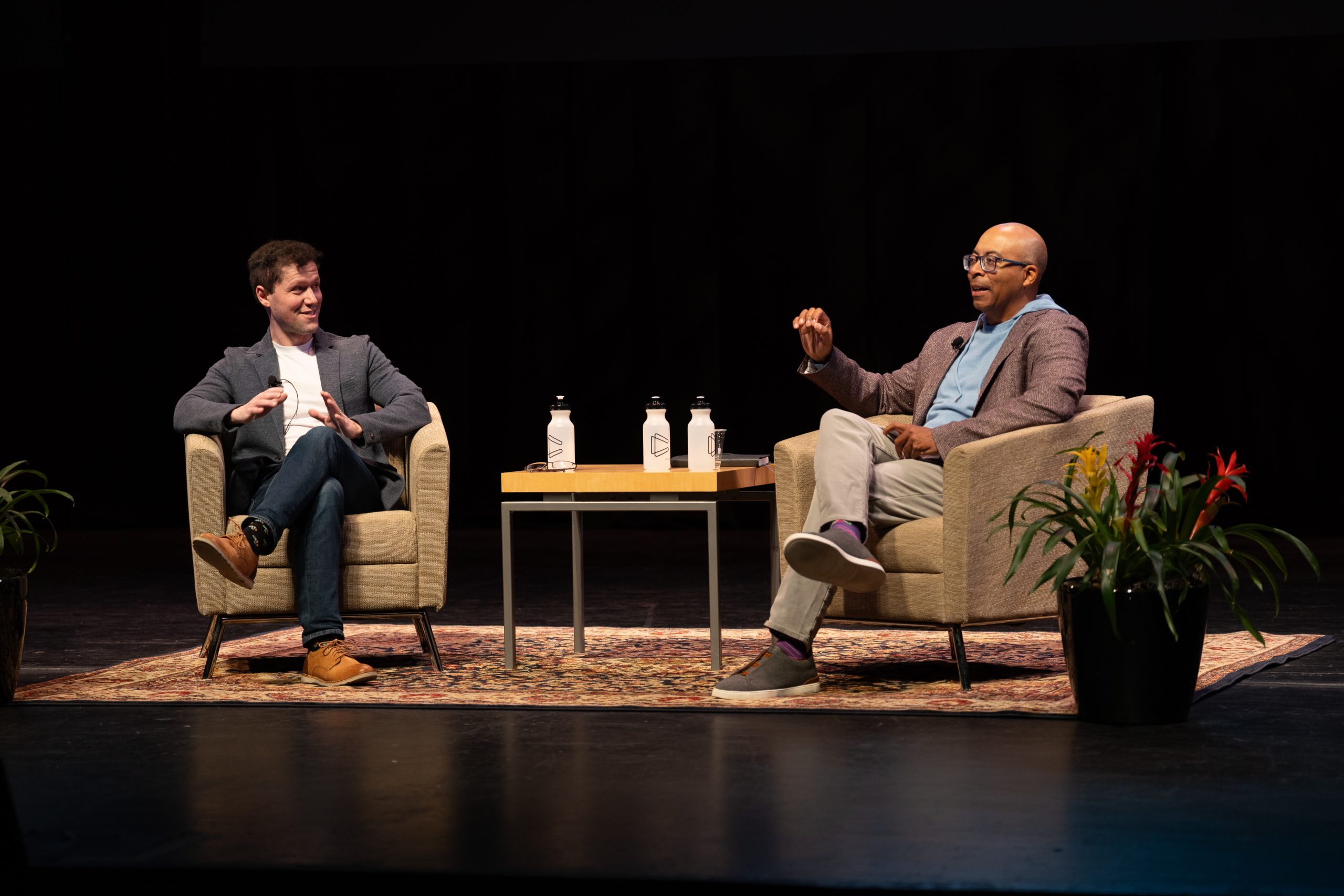
Peter Walker in conversation with Bill Spruill at our Venture Connect conference in 2025; you can read the recap here.
Some helpful resources:
- Get in touch with our Connect to Capital team
- Hunter Young, Head of Capital
- Yash Mehta, Capital Lead
- Read Scot Wingo’s post on Triangle Startup Venture Funding Trends and Analysis
Operator Takeaways
- Extend your cash plan. Build to default‑alive or a credible path within 24-30 months.
- Milestone design matters. Tie spend to proof points that will impact the price in the next round.
- Paperwork first. Founder terms, IP assignment, equity splits—cheap to fix early, costly later.
- Be location‑aware. Calibrate valuation and round size to your geography.
- Use AI to delay hiring without stalling progress; structure organization so you can show efficiency.
More from Carta
Download Carta’s State of Seed report to get the insights you need to fundraise with confidence.
Realted Content/You Might Also Like


CONNECT, CED, FORGE, ACCELERATE